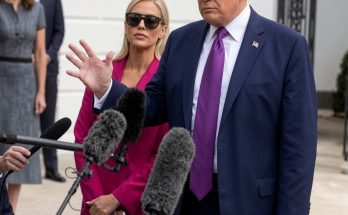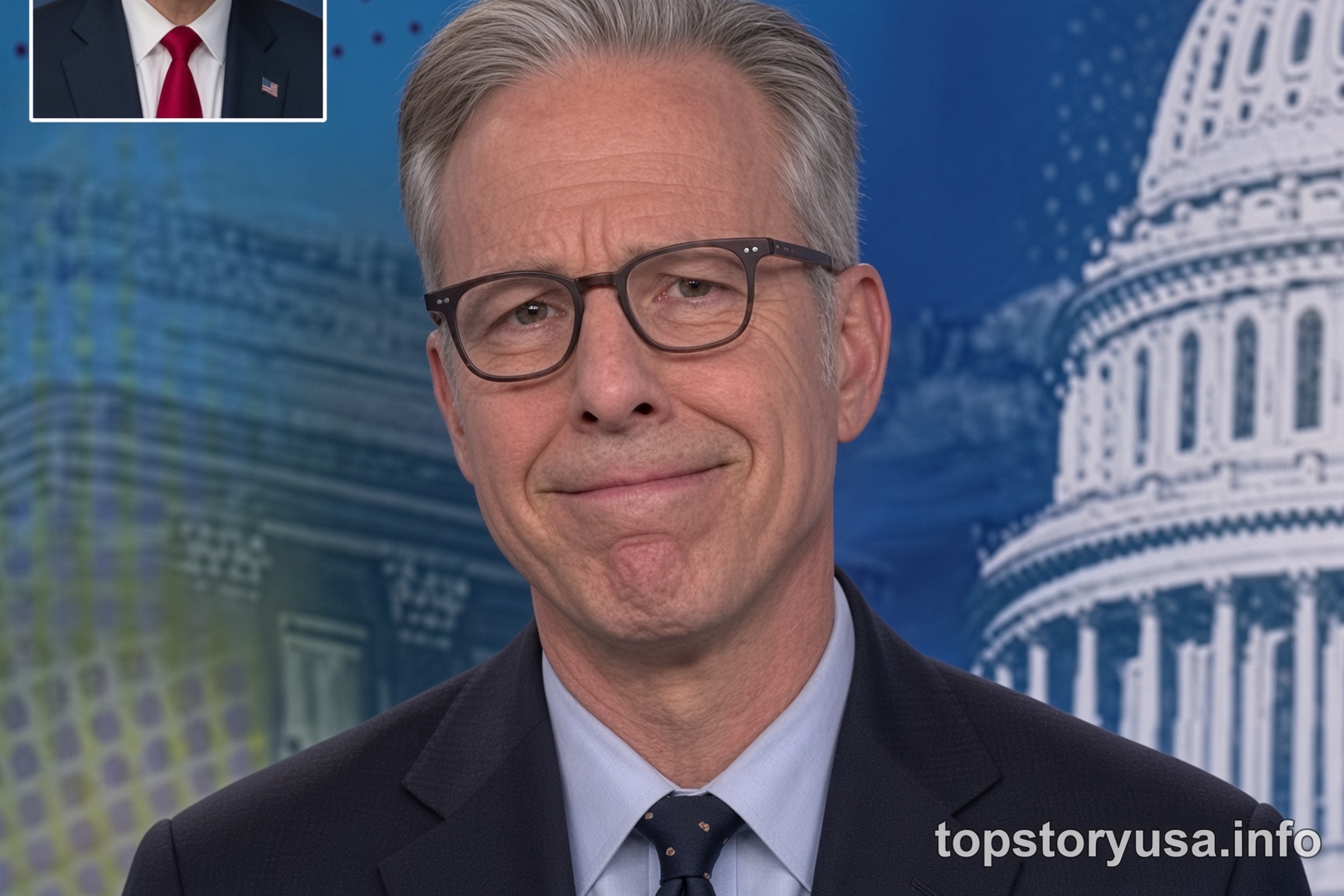
President Trump phoned into CNN’s State of the Union on Sunday, July 12, 2026, to discuss the sudden death of Senator Lindsey Graham. Graham, 71, had died the previous evening in Washington after returning from a trip to Ukraine; the D.C. medical examiner later attributed the death to an aortic dissection linked to arteriosclerotic cardiovascular disease. Trump told anchor Jake Tapper that Graham had called him Saturday evening, sounded tired from the journey but otherwise fine, and that the two had discussed legislation and the senator’s travels.
Near the end of the brief call, after Tapper invited the president to return for a longer interview, Trump replied, “Sure, we’ll do that. We’re trying to have CNN go on a normal path, and we’ll do that.” Tapper responded that he was “on a normal path right here” and thanked Trump for calling. The exchange stayed largely focused on Graham; Trump declined to address other topics such as recent U.S. military action involving Iran.
The remarks quickly circulated on social media. Critics viewed the comment about putting CNN on a “normal path” as an indication that the administration sees itself as having a role in shaping the network’s coverage, and some labeled Tapper an enabler for not pressing further. Supporters treated it as a casual remark amid an otherwise constrained tribute. The timing drew additional notice because, weeks earlier, the Justice Department had cleared Paramount Skydance’s roughly $111 billion acquisition of Warner Bros. Discovery, CNN’s parent company, without requiring divestitures. Observers noted that the regulatory decision occurred under an administration with documented ties to the Ellison family, which controls Paramount.
Months before the call, Tapper had said on air that CNN’s role “is not to try and please the president or only report the statements he likes.” Sunday’s exchange illustrated the practical limits of that stance when a sitting president phones in under narrow conditions and links future access to a preferred editorial direction. The episode underscored ongoing tensions between the White House and major news organizations whose corporate ownership is subject to federal review.