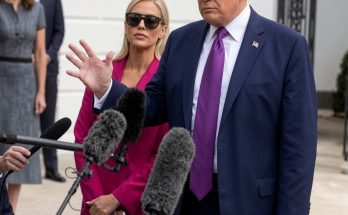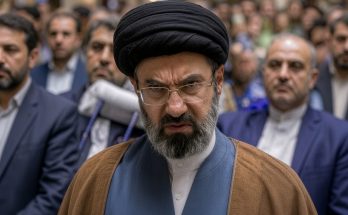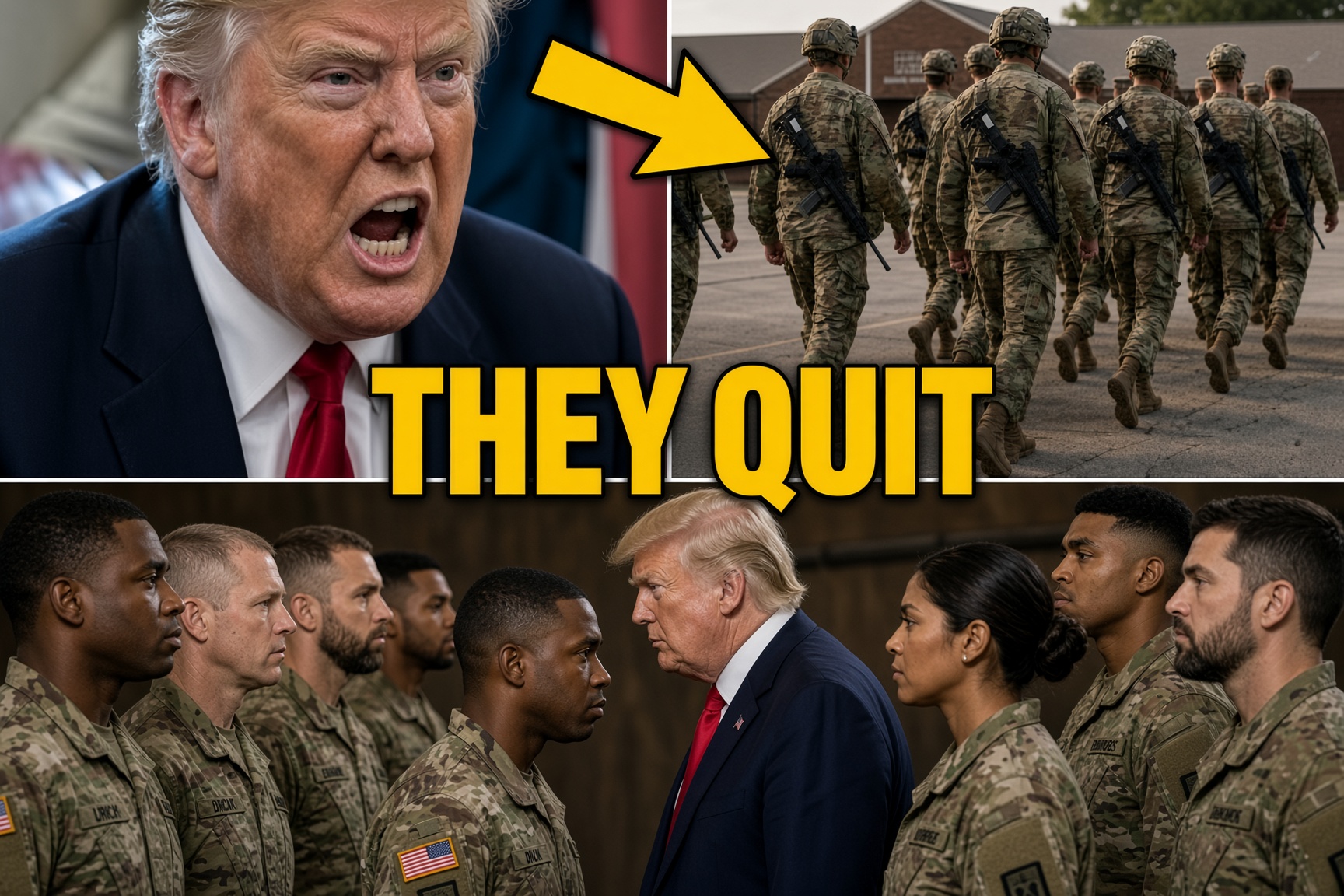
Unconfirmed reports that some American service members are declining certain duties have drawn attention to unusual stresses inside the U.S. defense establishment. These accounts coincide with more explicit public remarks by Donald Trump about possible strikes on Iranian civilian infrastructure, including power plants and bridges.
Legal scholars and humanitarian organizations have warned that large-scale attacks on systems essential to civilian life could violate international humanitarian law and the laws of armed conflict. Damage to electricity grids, transport networks, and related infrastructure typically inflicts harm on ordinary populations well before it meaningfully constrains an adversary’s military capacity. Historical campaigns of this type have seldom produced the political collapse their advocates anticipated. More often they have intensified nationalist sentiment, bolstered a government’s narrative of resistance, and reduced the space for subsequent diplomacy.
In Washington, reaction has been swift. Senator Chris Van Hollen and other lawmakers have characterized the emerging posture as reckless and lacking a coherent strategy. Some members of Congress have expressed concern that executive decisions are advancing ahead of meaningful legislative oversight. Constitutional and statutory requirements for authorization, debate, and funding of the use of force exist precisely for moments when events threaten to outrun deliberation. A crisis that sidesteps those limits increases the risk of poorly bounded escalation.
The strategic picture remains unsettled. Tehran has shown little indication of readiness to yield under open threat. External pressure frequently consolidates hard-line factions and narrows pathways for de-escalation. Analysts have also highlighted the absence of a clearly defined political objective or exit strategy. Without either, military action can harden into a protracted contest that consumes resources and lives while yielding no stable outcome.
Consequences would not stay bilateral. A campaign against civilian infrastructure would reverberate through energy markets, regional alliances, and the calculations of major powers. Perceptions can matter as much as the initial strike; a single miscalculation could lock both sides into a cycle of retaliation that proves difficult to reverse.
Diplomats are therefore treating communication as the immediate priority. According to some accounts, back-channel contacts are already underway to test whether a pause remains feasible. The open question is whether restraint and verification can still prevail, or whether the region will slide into deeper and more durable instability.